Horseback Riding in the Cévennes: A Practical Guide
A practical look at horseback riding around Anduze: lessons, FFE license, trail markings, and what a weekly riding center actually schedules.
- Published September 16, 2026
- 456 words
- 2 min read
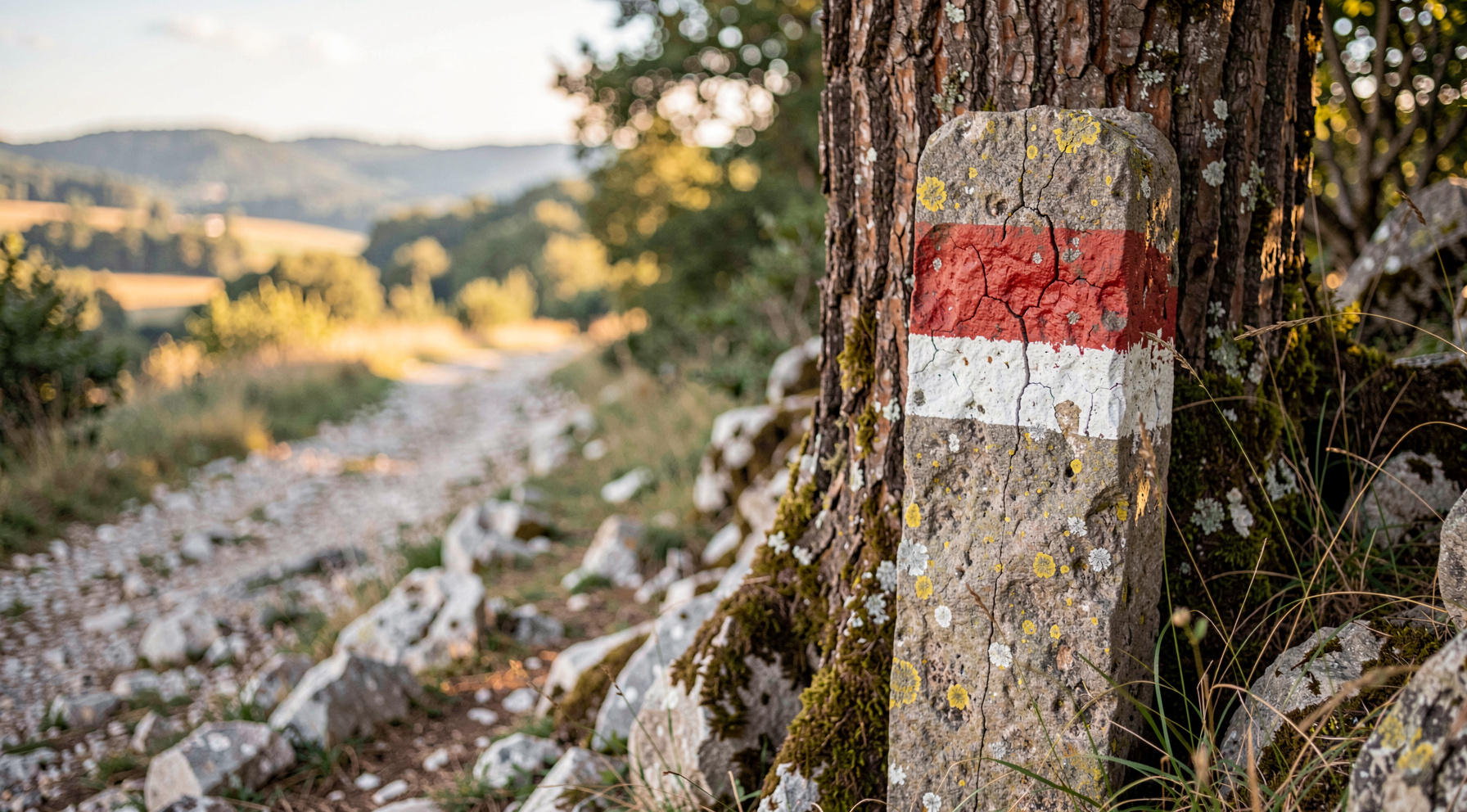
Horseback riding around Anduze is organized around a simple weekly rhythm: lessons, accompanied walks, and longer rides that follow marked trails through the Cévennes foothills. A rider can start with a single hour at the walk, then move to a ten-hour card or a federal license as the habit takes hold. The terrain decides the pace, and the season decides the route.
What does a riding center near Anduze schedule each week?
A center equestre aux portes des Cévennes runs on a repeating calendar. The week usually includes group lessons for children and adults, private slots for riders who want focused work, and accompanied outings on nearby paths. The cavalerie, the string of horses and ponies, is matched to the rider's level and to the format of the day. A one-hour walk at the walk is the most accessible entry point, often in the Gardonnenque valley or under the cover of woodland. Longer sessions add trot and canter where the ground allows. The weekly schedule also covers practical matters: saddle room time, grooming, and the small routines that make a ride safe before it is pleasant. Anyone curious about how these weeks are structured can look at the practical magazine for the Cévennes and Gard, which documents courses, FFE licenses, stages, and rides around Anduze.
How do trail markings work on Cévennes paths?
French trails use a standard system. A painted mark on a rock, tree, or post carries a color and a shape. A single horizontal line means a path continues. A cross means the way is wrong. An arrow or a turn mark indicates a change of direction. In the Cévennes foothills, the support varies: limestone, schist, chestnut bark, or a metal post where the ground offers nothing solid. Riders should read the mark before the map, because a faded blaze on a stone can be more reliable than a wet paper map in a storm. The color usually belongs to a named itinerary, so a change of color often means a junction with another route. Learning to read these marks takes one afternoon and pays back on every ride after that.
What does the FFE license actually cover?
The FFE license, issued by the French Equestrian Federation, is the standard membership for riders in France. It includes civil liability insurance for damage caused to third parties while riding, which is the part most riders care about first. It also provides access to official competitions and to the federal network of clubs and instructors. What it does not cover is everything else: personal accident insurance is often a separate option, and the license does not replace a medical certificate where one is required. It does not guarantee a place in a specific club, and it does not pay for lessons. A rider should read the line items of the license the same way they read a tariff sheet, asking what each line actually covers.
How do you prepare a multi-day equestrian trek?
A multi-day ride is a small project. The first task is the route: daily stages of four to six hours, with a known water source and a known night stop. The second is the horse: hooves checked before departure, shoes or barefoot condition confirmed, and a saddle that has already been tested on long days. The third is the load. Saddlebags should carry a rain layer, a first aid kit for horse and rider, a halter and lead rope, and enough water for the horse between refill points. The fourth is the paperwork: a license, a medical certificate if required, and a copy of the itinerary left with someone at home. On the Cévennes plateau, altitude and evening light change fast, so a stage that looks short on paper can take longer than planned.
What is the most accessible first ride?
A one-hour accompanied walk at the walk is the most accessible format for a first contact with riding. The pace is slow, the guide sets the route, and the rider only has to follow. It is usually offered in the Gardonnenque valley or in woodland, where the ground is soft and the shade is welcome in early summer. A pony accompanied by a handler is the equivalent for younger children. The goal is not performance. It is to sit in the saddle, feel the horse move, and decide whether the next step is a lesson or a ten-hour card.
What does a ten-hour card or a license change in practice?
A ten-hour card and a license are two different ways to buy riding time. The card is a block of hours, usually used for lessons or guided rides, and it expires after a set period. The license is an annual membership that includes insurance and access to the federal network. A rider who rides once a month may find the card sufficient. A rider who rides weekly, or who wants to compete, will usually need the license. The tariff sheet should show what each line covers: instruction, horse use, insurance, and any equipment provided. Reading it line by line avoids surprises at the end of the season.
Why does the terrain matter more than the pace?
In the Cévennes and the Gard, the ground decides the ride. A stony path in late summer is not the same as the same path after autumn rain. A meadow at dusk is not the same as the same meadow at noon. Riders who adapt their pace to the surface, and their route to the season, get more out of a horse and return with fewer problems. The practical approach is to note the place, the nature of the ground, and the season on every outing. Over a year, those notes become a personal map of where to ride and when.
What should a rider check before booking?
Before booking any ride, a rider should confirm the level required, the duration, the equipment provided, and the insurance in place. A center that publishes its weekly schedule and its tariff lines makes this easier. The rider should also ask about the horse assigned, the group size, and the weather policy. In the Cévennes, a summer afternoon can be hot enough to move a ride to the morning, and a storm can close a trail without warning. A short phone call before booking answers most of these questions and sets the right expectations for the day.